 muse wonder
muse wonder LoreMotion AI: sketch a story one shot at a time
Explore muse wonder LoreMotion AI and develop a short story scene in the muse wonder video workspace. Start with a character’s purpose, choose one visible action, set the atmosphere and review the complete take. Build a sequence from selected shots rather than asking one draft to tell every part of the story.
Video workspace
The wooden elevator opens
28/45View prompt
Five-second continuous frontal shot of closed wooden elevator doors opening slowly to reveal one adult woman standing inside. Keep the camera fixed at eye level and the woman relaxed, facing forward. Preserve a simple, balanced composition with warm wood grain and soft interior light. End with the doors open and the woman still standing.
Introduction
What is muse wonder LoreMotion AI?
muse wonder LoreMotion AI refers to LoreMotion, an AI video platform whose official site describes text and image video creation. This page focuses on planning small narrative scenes with muse wonder.
Identify the platform
muse wonder LoreMotion AI is associated with a video generation service that describes both hosted models and premium model options on its official website. Its advertised account plans and free access belong to that service.
Define the job here
Use this muse wonder LoreMotion AI page to turn a short narrative idea into a shot brief. muse wonder supplies the generation models and displayed controls. The useful deliverable is a small piece of footage you can inspect, download and combine with other selected takes.
Start at the scene level
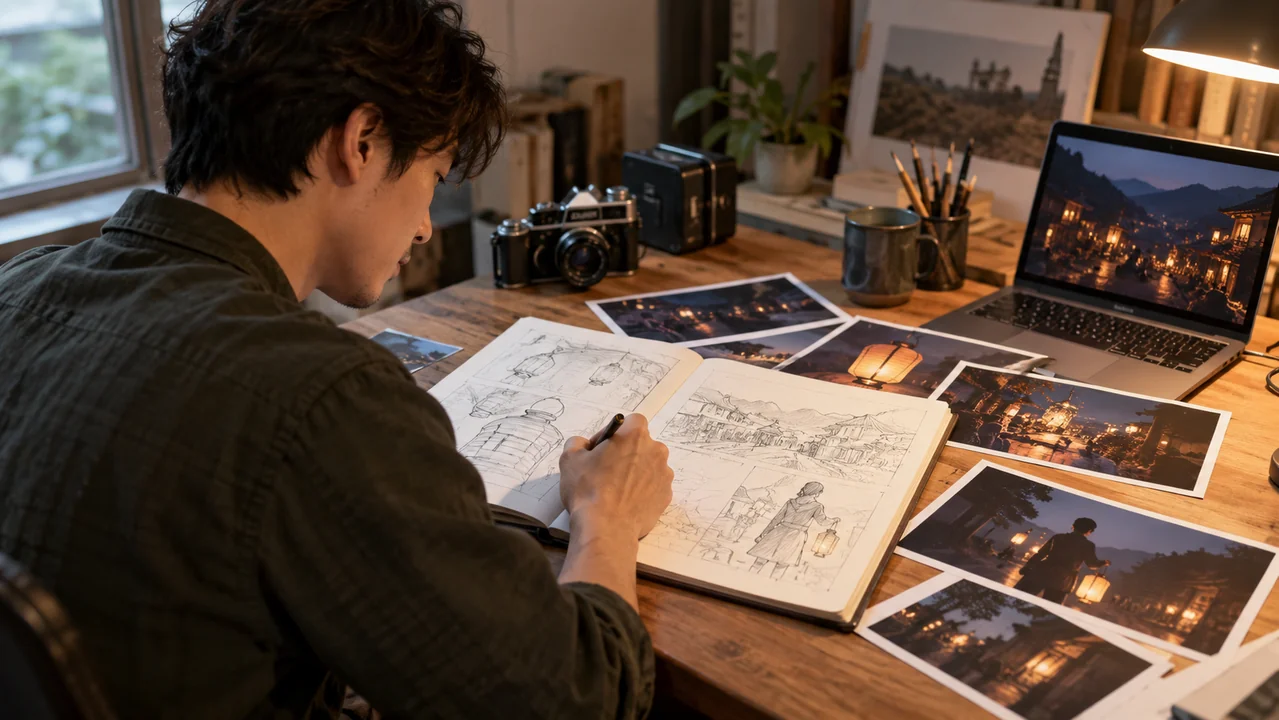
A muse wonder LoreMotion AI story can begin with a traveler arriving at a bridge, a cabin light turning on or a character noticing something outside a window.
How to use
How to use muse wonder LoreMotion AI
- STEP 1
Choose the story beat
Write a muse wonder LoreMotion AI brief for one character’s immediate purpose, one visible action and a stable ending that can connect to another shot.
- STEP 2
Set the atmosphere
Describe muse wonder LoreMotion AI lighting, environment and camera direction, then choose supported duration and framing while checking the quote displayed in the workspace.
- STEP 3
Generate a short draft
Prepare your muse wonder LoreMotion AI prompt, add a character image if the chosen mode supports it, then sign in and deliberately press Create.
- STEP 4
Review and assemble
Play the complete muse wonder LoreMotion AI take, compare continuity with adjacent shots and download your selected footage for assembly in your regular editor.
Features
Plan the muse wonder LoreMotion AI story beat
A muse wonder LoreMotion AI brief needs a small dramatic change. Describe what the character wants, what happens on screen and how the shot ends without introducing an entire script.
Give the character an immediate purpose
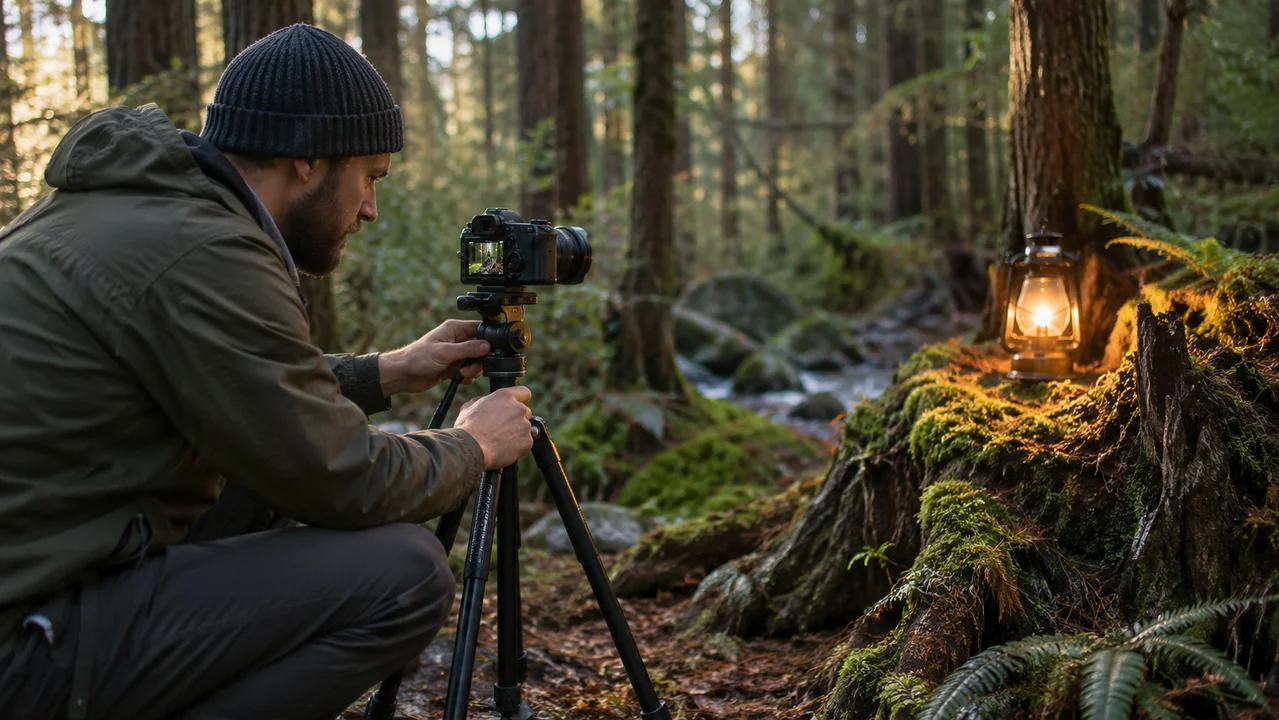
For muse wonder LoreMotion AI planning, select a purpose that can be shown in movement: approaching a doorway, examining a lantern or waiting beside a bridge.
Create a readable beginning
Begin your muse wonder LoreMotion AI shot with the character and relevant object already visible. If the viewer must first discover a complicated environment, the main action may receive too little time.
Leave room for the next shot
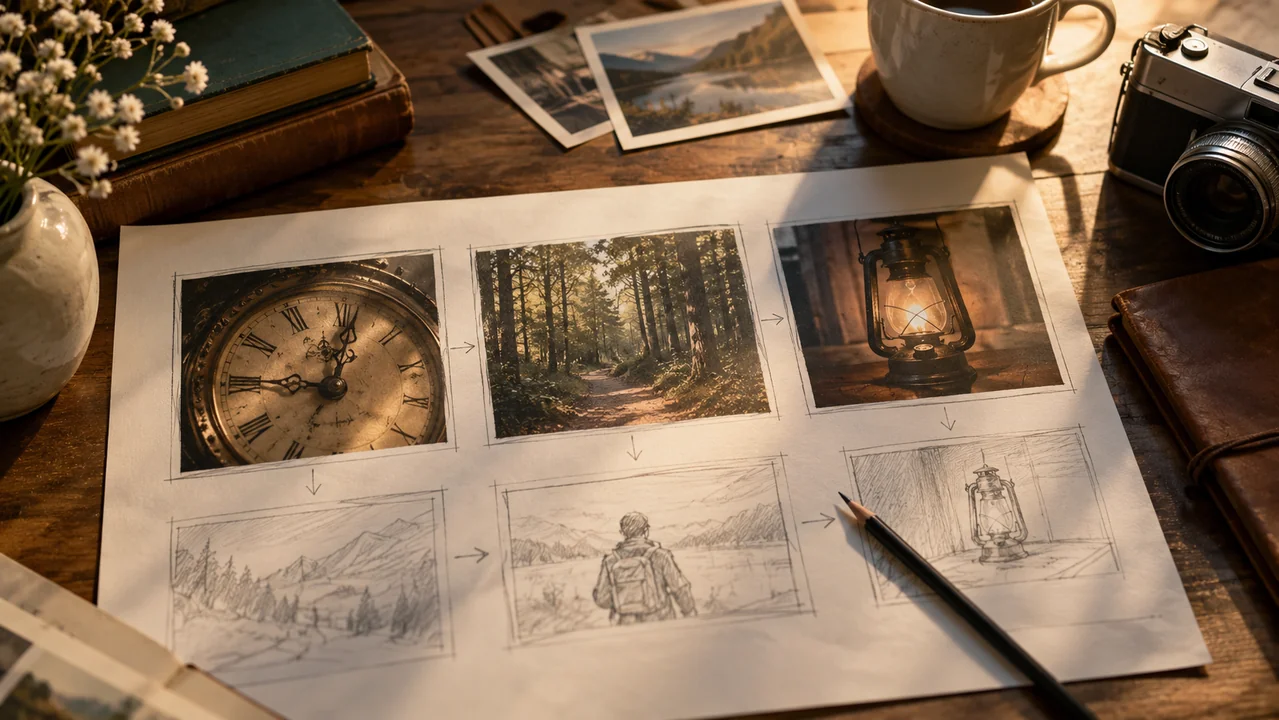
A muse wonder LoreMotion AI scene does not need to resolve the whole story. End with a stable pose, a glance or a revealed detail that can connect to another clip.
Describe the muse wonder LoreMotion AI character
muse wonder LoreMotion AI story footage becomes easier to follow when the central character has a few clear visual traits. Keep those traits consistent while allowing the action to change.
Choose recognizable details
In a muse wonder LoreMotion AI prompt, use a yellow raincoat, a red backpack or a weathered lantern as a recurring visual anchor. Describe the subject’s position and approximate appearance without overwhelming the shot with accessories.
Prepare a useful reference
If your muse wonder LoreMotion AI idea depends on a particular character image, choose a compatible image-to-video model and upload a clear reference. Inspect the available controls after switching modes.
Record continuity choices
For a muse wonder LoreMotion AI sequence, keep notes about wardrobe, light direction, the recurring object and the character’s location. Reuse those decisions across your prompts instead of changing them accidentally.
Stage a simple muse wonder LoreMotion AI moment
muse wonder LoreMotion AI direction should make movement understandable. A glance, a short walk or a hand placing an object can establish a story beat without requiring several simultaneous events.
Use one main action
Ask muse wonder LoreMotion AI footage to show a traveler pausing at a bridge or a woman in a raincoat turning toward a warm cabin light. Describe the movement’s pace and ending position.
Match camera movement to the beat
A muse wonder LoreMotion AI scene can use a locked wide view to explain geography or a gentle push to emphasize a reaction. Choose the camera movement because it supports the beat.
Make revisions specific
After reviewing a muse wonder LoreMotion AI draft, identify one visible issue. A rushed turn may need a slower movement; an unclear prop may need a closer framing; a drifting horizon may need a locked camera. Preserve the instructions that worked so that the next take answers a focused question rather than starting from scratch.
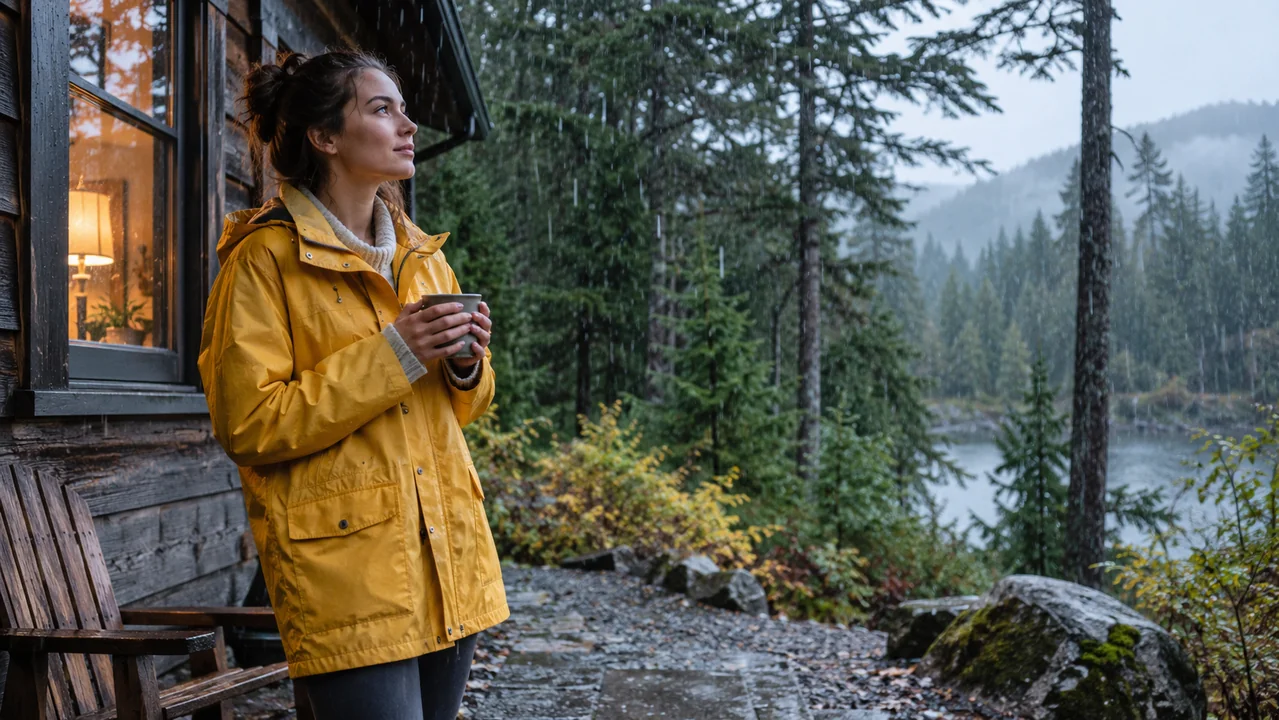
Shape muse wonder LoreMotion AI atmosphere and framing
muse wonder LoreMotion AI scenes gain character from light, color and sound. Keep atmosphere tied to the narrative purpose and select the frame that leaves enough room for the action.
Describe environmental cues
Use muse wonder LoreMotion AI instructions to name mist over a bridge, rain on a cabin roof or a lantern’s warm glow against blue evening light. These cues are more concrete than asking for an epic mood. State which parts of the environment should remain still so that small background movement does not distract from the character.
Review the starting controls
This muse wonder LoreMotion AI page opens the existing MiniMax H3 Max Turbo text-to-video workflow. Start with the short draft preset, then choose another supported model or mode when the shot requires it. Duration, resolution and aspect ratio affect the available options and quote, so review them after making a meaningful change.
Listen for the scene’s rhythm
If your muse wonder LoreMotion AI draft uses generated audio, listen to the whole clip and judge whether the ambience supports the visible action. For exact narration or musical transitions, finish the selected footage in your editor with the appropriate audio track.
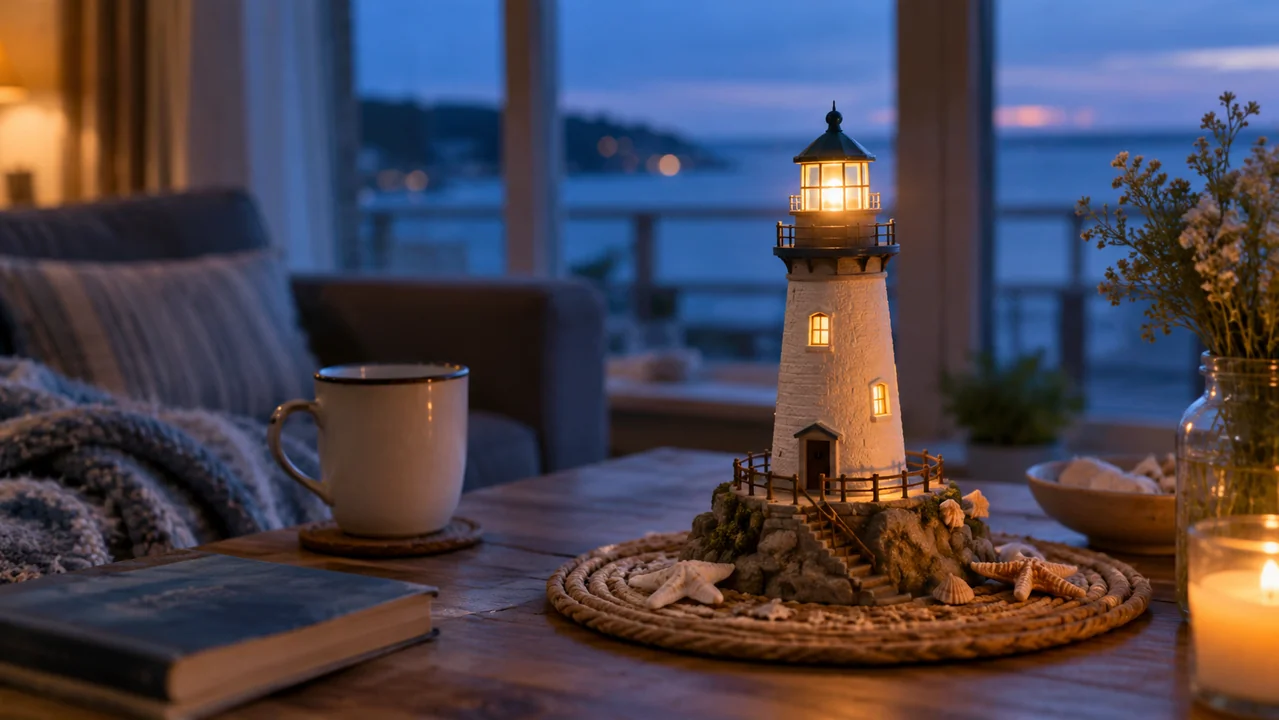
Assemble muse wonder LoreMotion AI story footage
muse wonder LoreMotion AI planning continues after generation. Choose shots that communicate the beat clearly, preserve useful continuity and connect naturally when viewed as a sequence.
Review movement across the full clip
Play each muse wonder LoreMotion AI take through its ending. A beautiful opening frame cannot show whether a lantern changes shape or a walking character drifts during the middle of the take. Evaluate the complete moving result.
Compare adjacent shots
Place selected muse wonder LoreMotion AI clips next to one another in your editing workflow. The page generates clips rather than automatically maintaining a complete story timeline.
Keep the story brief beside the assets
Save your muse wonder LoreMotion AI prompt, settings and continuity notes with the downloaded footage. Label the intended beat, such as arrival, discovery or reaction. This small record helps you decide what is missing from the sequence and makes future revisions easier without relying on memory of the first generation.
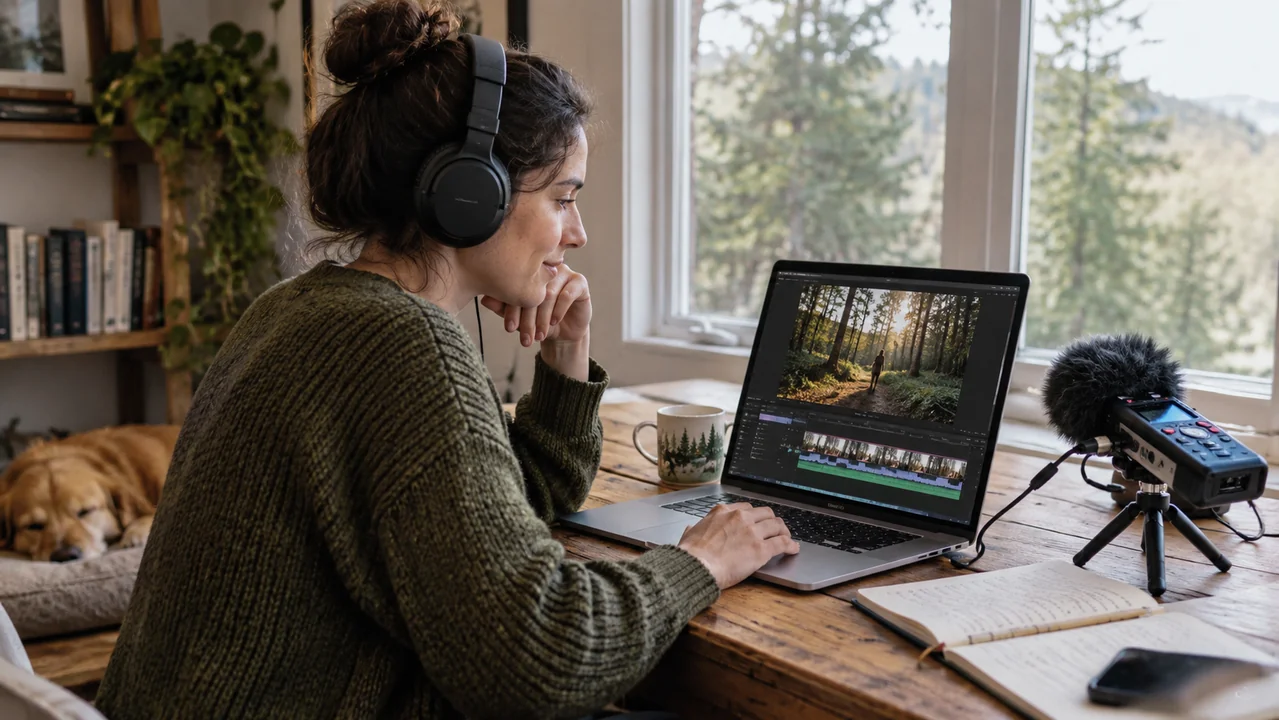
Example prompts
muse wonder LoreMotion AI woodland discovery
A fictional woman in a yellow raincoat pauses outside a small forest cabin. She slowly turns toward a warm lantern in the window. Gentle rain, muted green woodland, locked medium-wide camera, natural movement, quiet rain ambience, no captions.
muse wonder LoreMotion AI traveler arrival
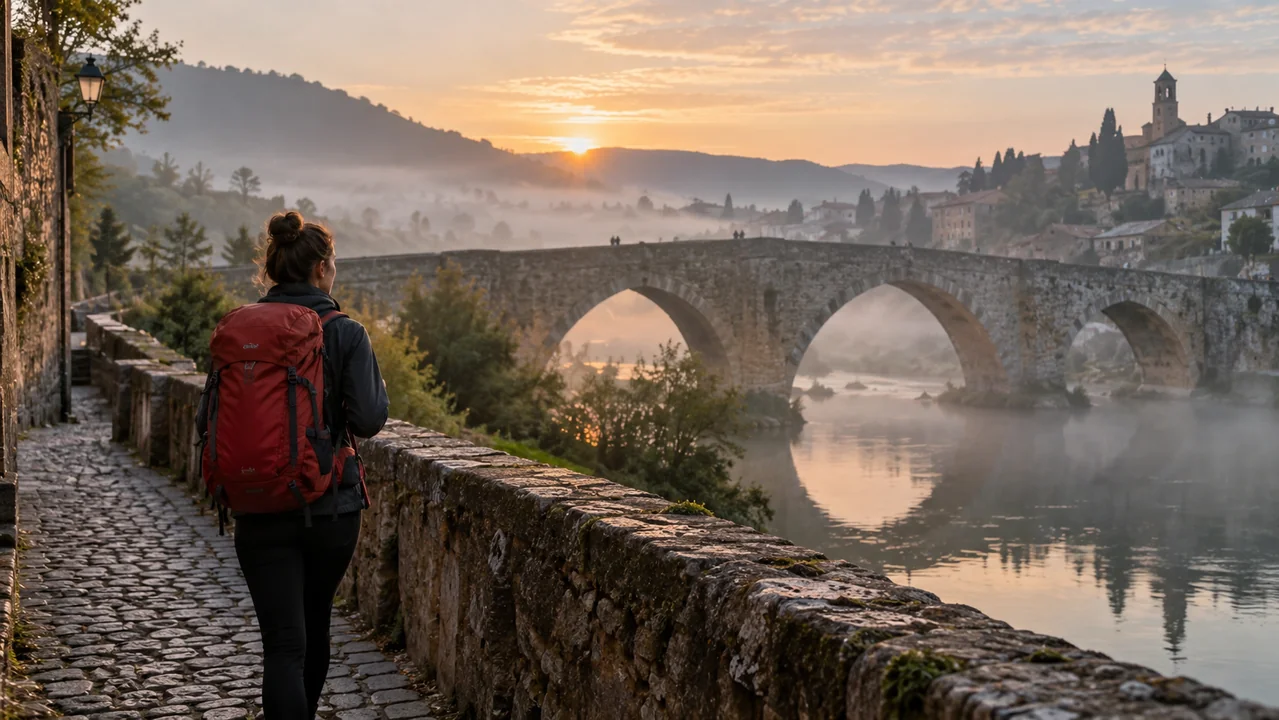
A fictional traveler with a red backpack walks two steps toward an old stone bridge, then pauses to look across it. Misty dawn light, restrained camera push, stable bridge geometry, clear silhouette, soft outdoor ambience, no text.
User reviews
muse wonder video creator feedback.
muse wonder creator reviews

I made a full character PV for my game with muse wonder MiniMax H3 in one afternoon. The menu UI stayed readable in every frame and the character never went off-model. That used to cost me a contractor and three weeks.

We tested every muse wonder AI video generator on the market for stylized work. H3 is the only one that held our anime style across cuts. We now use it for pitch reels and animatics on every project.

I uploaded four product photos and got a listing video with music and a voiceover the same day. My click-through rate on the new listings is up 38%. H3 even got the label text on my packaging right.

I ship five vertical videos a week for three brands. muse wonder MiniMax H3 gets me from brief to draft in under an hour, with sound already synced. My old workflow needed a videographer and two review rounds.

The editing side is what sold me. A client wanted the background of an interview changed — I typed one sentence into muse wonder MiniMax H3 and the lighting on the subject matched the new scene automatically.

I previsualized my entire short film in muse wonder MiniMax H3 before we shot a single frame. Rack focus, match cuts, even the title cards — it understands director language, not just keywords.
muse wonder MiniMax H3 Max Pricing and Credit Plans
Cancel anytime
Lite
50% off0.025 / credit
Billed $ yearly179· Save $179.8
Video Models



Image Models



- Includes muse wonder MiniMax H3 and all premium models
- Up to 1 batch generation task
- Standard generation speed
- Standard generation success rate
- Standard customer support
- Commercial Use License
Standard
50% off0.017 / credit
Billed $ yearly299· Save $299.8
Video Models
Image Models
- Includes muse wonder MiniMax H3 and all premium models
- Up to 4 batch generation tasks
- Priority processing speed
- High generation success rate
- Priority customer support
- Commercial Use License
Pro
50% off0.014 / credit
Billed $ yearly599· Save $599.8
Video Models
Image Models
- Includes muse wonder MiniMax H3 and all premium models
- Up to 10 batch generation tasks
- Fastest generation speed
- High generation success rate
- Dedicated account manager
- Commercial Use License
Max
50% off0.012 / credit
Billed $ yearly1,199· Save $1,199.8
Video Models
Image Models
- Includes muse wonder MiniMax H3 and all premium models
- Up to 10 batch generation tasks
- Fastest generation speed
- High generation success rate
- Dedicated account manager
- Commercial Use License
Pay safely and securely with























FAQ
Frequently asked questions
What is muse wonder LoreMotion AI used for?
The official platform describes text and image video creation. This independent page focuses on a practical story-scene task: defining a small narrative beat and generating a short clip using muse wonder’s displayed models and controls.
Does this muse wonder LoreMotion AI page connect my existing account?
No. muse wonder provides the account, generation models and credit system used in this workspace. Your external subscription, saved projects and advertised free access are separate. Review the model and quote here before creating a new clip.
Ca muse wonder LoreMotion AI create an entire story here?
Use this workspace to generate individual short shots, then assemble the selected footage in an editor. Long scripts, automatic scene continuity and full timeline management are outside the workflow shown here. Start with the smallest scene that communicates your intended beat.
How do I keep muse wonder LoreMotion AI characters consistent?
Choose a few recognizable appearance details and record continuity notes. Use a clear reference in a supported image-to-video mode when useful. Review every take for changes in identity, clothing and props; repeated instructions can guide the output but do not guarantee perfect continuity.
Does using a muse wonder LoreMotion AI example start generation?
Use This Prompt only prepares a draft and supported settings. You can edit it and inspect the quote first. A new video request begins after your deliberate Create action, and the resulting clip remains subject to review before use.
CTA
Begin a muse wonder LoreMotion AI scene
Choose a beat that can be shown in one short shot. Use muse wonder LoreMotion AI planning to define the action and atmosphere, then review a muse wonder draft before building the next part of your sequence.
Prepare a story scene